Understanding AI and ML: How They Work and Key Concepts
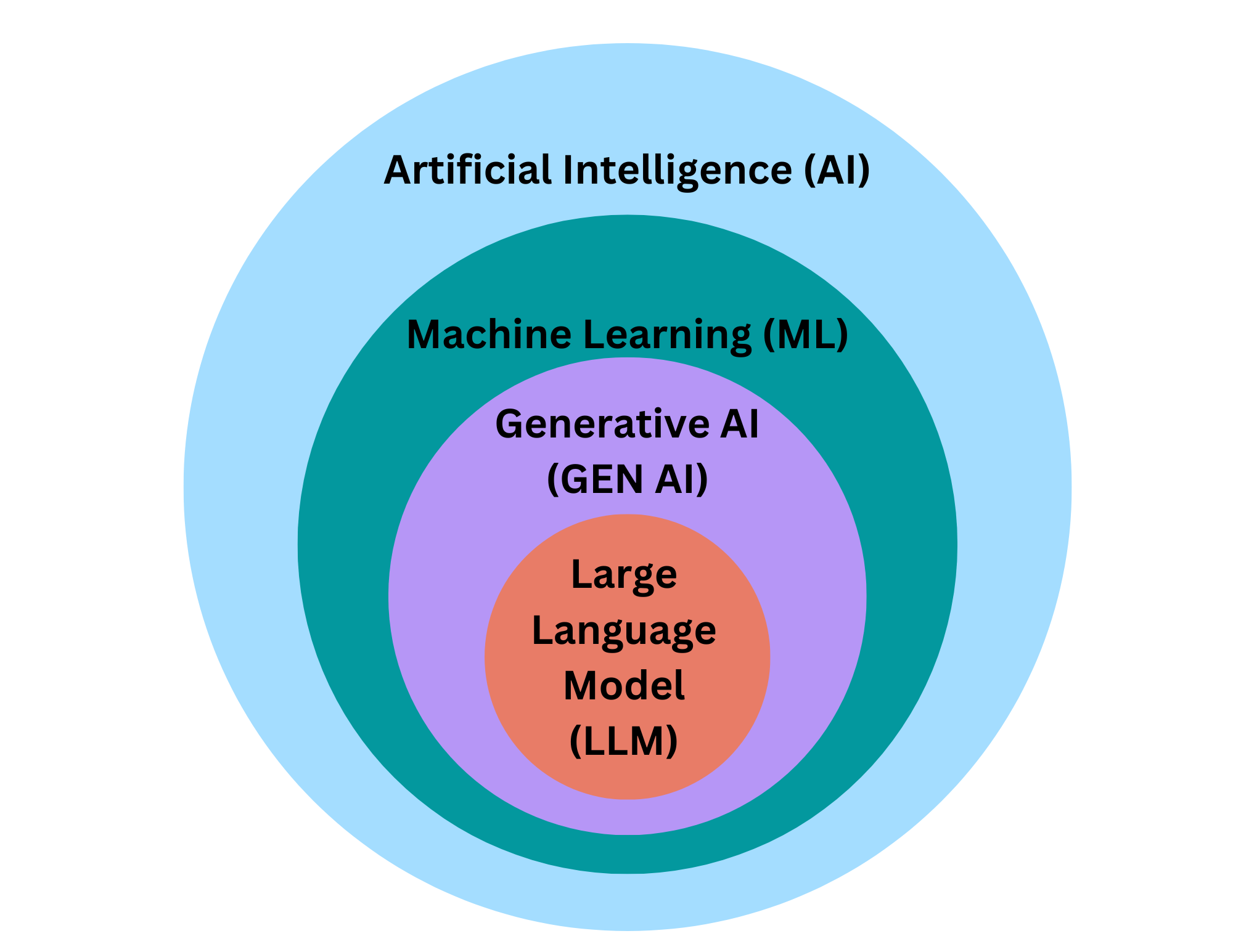
Artificial Intelligence (AI) is the science of making machines smart—machines that can perform tasks that usually require human intelligence, like understanding language, recognizing images, or making decisions.
Machine Learning (ML) is a subset of AI. It allows machines to learn from data instead of being explicitly programmed. In other words, ML teaches computers to improve their performance over time based on experience.
How AI and ML Work (Straightforward Explanation)
- Data Collection: Machines need data to learn. This can be images, text, numbers, or any kind of information.
- Data Processing: The data is cleaned and organized so the machine can understand it.
- Model Training: An ML model is trained on this data. Training means the machine looks for patterns and relationships in the data.
- Prediction or Action: Once trained, the model can make predictions or take actions based on new data.
- Feedback & Improvement: The model can be updated and improved based on results and new data.
Key Concepts
- Model: A program that makes predictions based on data.
- Algorithm: The method or set of rules the model uses to learn.
- Training: The process of teaching the model using data.
- Prediction: The output or result the model gives when given new data.
- Overfitting: When a model learns too much from training data and performs poorly on new data.
- Supervised Learning: ML with labeled data (e.g., pictures labeled 'cat' or 'dog').
- Unsupervised Learning: ML with unlabeled data, where the model finds patterns on its own.
- Reinforcement Learning: ML where the model learns by trying actions and receiving rewards or penalties.
Scenario-Based Explanation
Scenario: Imagine teaching a computer to recognize fruits.
- Data Collection: Collect thousands of images of apples, bananas, and oranges.
- Data Processing: Label each image with the correct fruit name.
- Model Training: The computer uses an ML algorithm to find patterns in the images, like color and shape.
- Prediction: You show the computer a new fruit image. It predicts: "This is an apple."
- Feedback & Improvement: If the computer makes a mistake, you correct it, and it learns to improve.
Result: Over time, the computer can correctly identify fruits it has never seen before, just like a human learning from experience.
Why AI and ML Matter
- Automation: AI can handle repetitive tasks efficiently.
- Decision Making: AI can analyze large amounts of data and help make informed decisions.
- Personalization: AI can provide customized recommendations (like in streaming services).
- Innovation: AI opens the door for new technologies in healthcare, finance, transportation, and more.
In simple terms, AI and ML help machines think and learn so they can assist humans in smarter ways.